How to Choose the Right Anchoring Clamp for Overhead Cables
A Practical Selection Guide for Power Distribution and Cable Projects
Choosing the right anchoring clamp is an important step in designing and installing reliable overhead cable systems. Whether you are working on a low-voltage power distribution network or an aerial cable installation, the correct clamp helps maintain cable tension, secure the line, and reduce the risk of mechanical damage.
With different cable sizes, clamp designs, and mechanical ratings available, selecting the right product requires careful consideration. This guide explains the key factors to review before choosing a clamp.
An anchoring clamp, also called a tension clamp or dead-end clamp, secures overhead cables at termination points, angle poles, and other locations where cable tension must be transferred to a supporting structure. Unlike a suspension clamp, which primarily supports the cable, an anchoring clamp is designed to resist longitudinal tensile forces.
Typical applications include low-voltage aerial bundled cable (ABC) networks, overhead power distribution, service connections, and compatible aerial telecommunications cable systems.
Cable compatibility should be the starting point. Confirm the conductor cross-sectional area, overall cable diameter, insulation type, and cable construction.
Important: cable cross-sectional area (mm²) and outside diameter (mm) are not interchangeable. A 35 mm² conductor does not necessarily have an outside diameter of 35 mm.
Some clamps are intended for single insulated conductors; others are designed for aerial bundled cables or specific fiber optic cable systems. Always verify the manufacturer’s approved clamping range.
The clamp must withstand expected mechanical loads, which depend on cable span, weight, installation tension, wind, line direction, and applicable engineering requirements.
For example, CNNILED product listings describe pulling-force values for certain JBG and PAT models. Verify the current model datasheet and the definition of each rating before using it in design. Published pulling force must not automatically be interpreted as allowable working load.
Wedge-type clamps use a gripping mechanism that helps secure compatible insulated cable under tension.
Bolted clamps use mechanical fasteners to secure the clamping assembly. Follow the specified tightening and installation procedures.
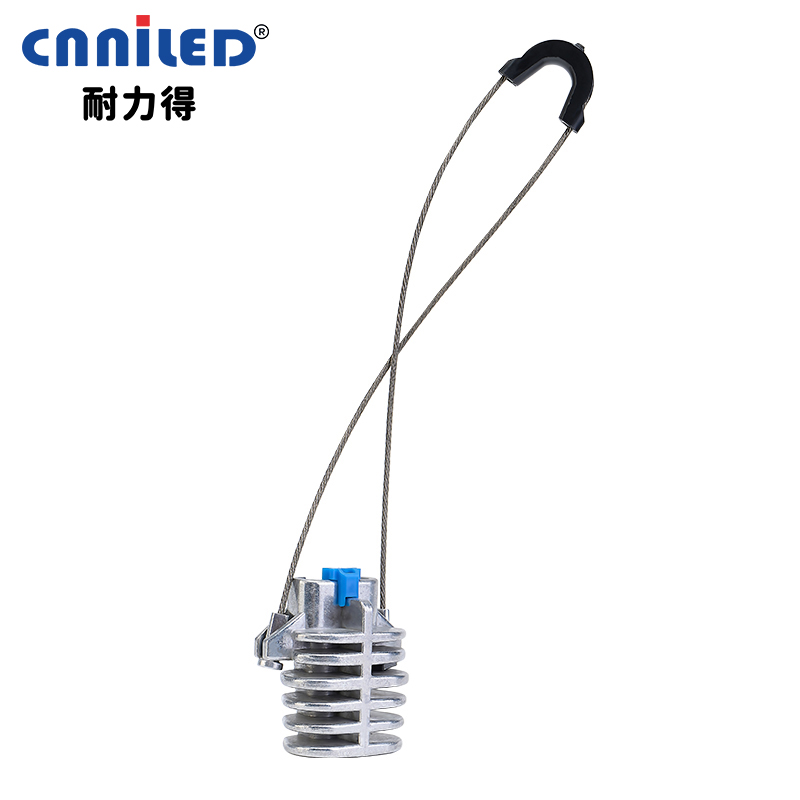
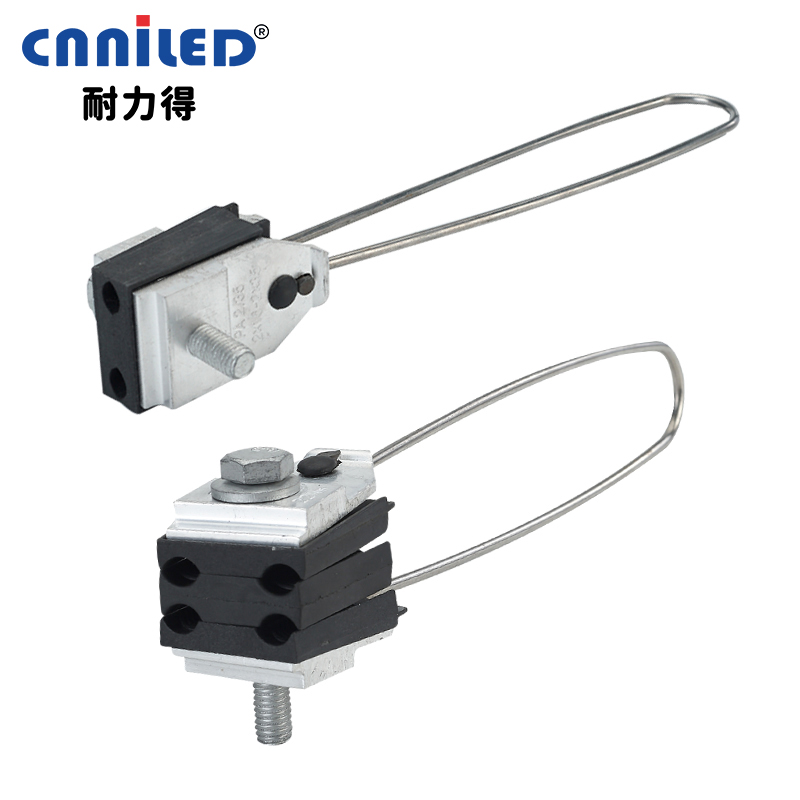
Wire-loop anchoring clamps feature a steel wire loop for attachment to suitable pole-mounted hardware in selected service or cable termination applications.
Select the design based on cable construction, mechanical load, installation hardware, and maintenance needs.
Overhead hardware is exposed to sunlight, rain, temperature variation, and potentially corrosive conditions. Review metal material and surface treatment, polymer UV/weather resistance, gripping surface design, and environmental test documentation.
For coastal or industrial locations, request the supplier’s corrosion-resistance and material information relevant to the intended service conditions.
A straight-line support may call for a suspension clamp, while a termination or point requiring longitudinal tension restraint generally needs an anchoring clamp. At angle poles, the correct hardware depends on line angle, conductor tension, and network design.
Confirm compatibility with the supporting pole bracket, hook, or other attachment hardware.
AC Series: anchoring clamp configurations for compatible aerial cable and service connection applications.
PA Series: overhead cable anchoring designs with model-specific clamping ranges and mechanical characteristics.
JBG Series: additional cable anchoring options for projects with defined gripping and pulling-force requirements.
PAS/PAT Series: dead-end clamp options for selected aerial cable systems.
Final selection must be based on the specific product datasheet, not the series name alone.
Figure 1. Ribbed-body anchoring clamp with steel wire loop.
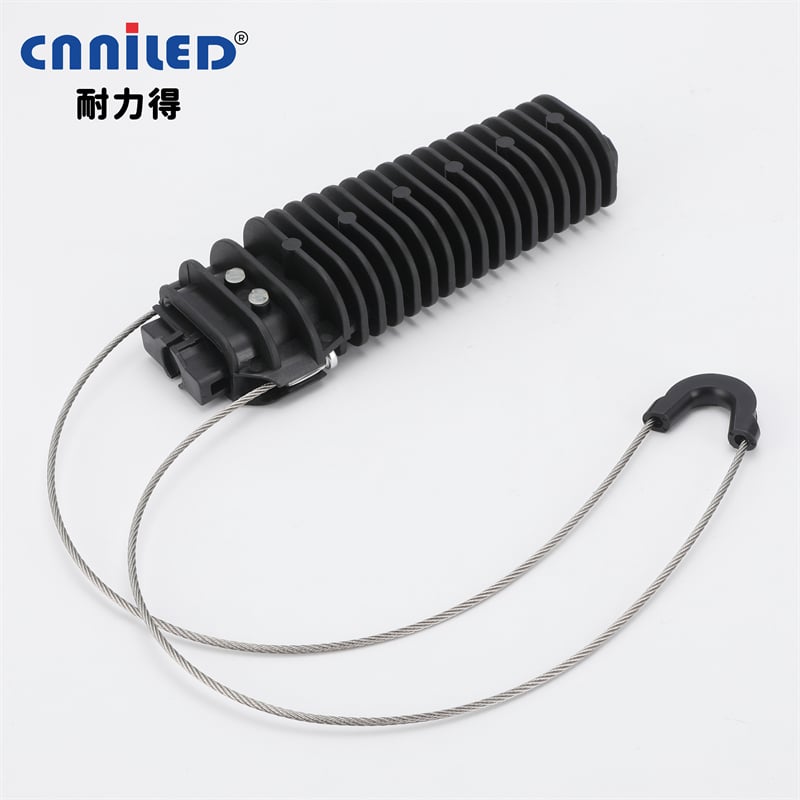
Figure 2. Compact metal-body anchoring clamp with steel wire loop.
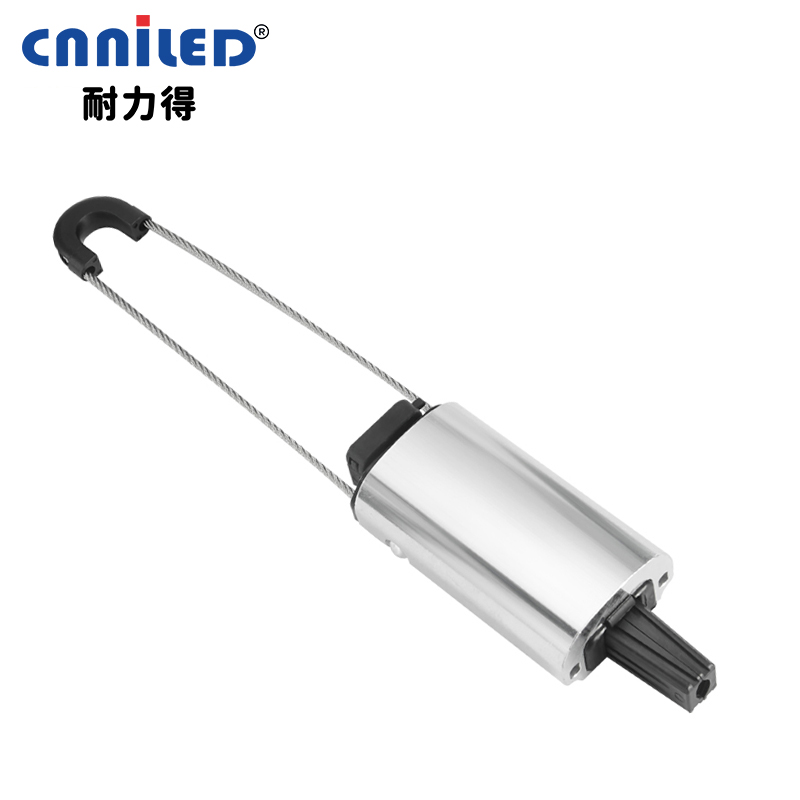
Figure 3. PA-series style anchoring clamp with ribbed housing.
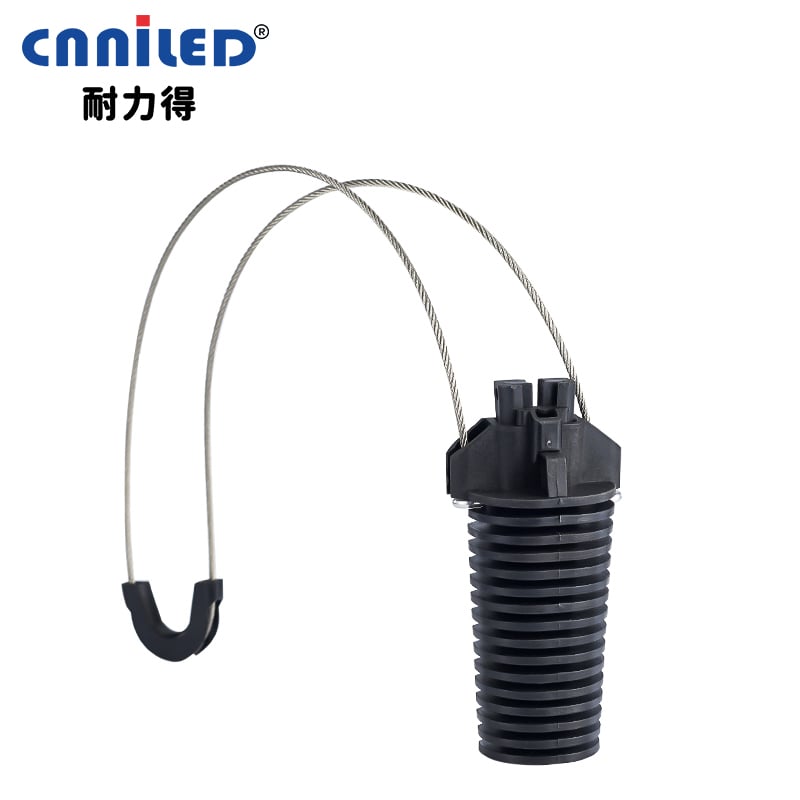
Figure 4. Bolted anchoring clamp with extended metal arms.
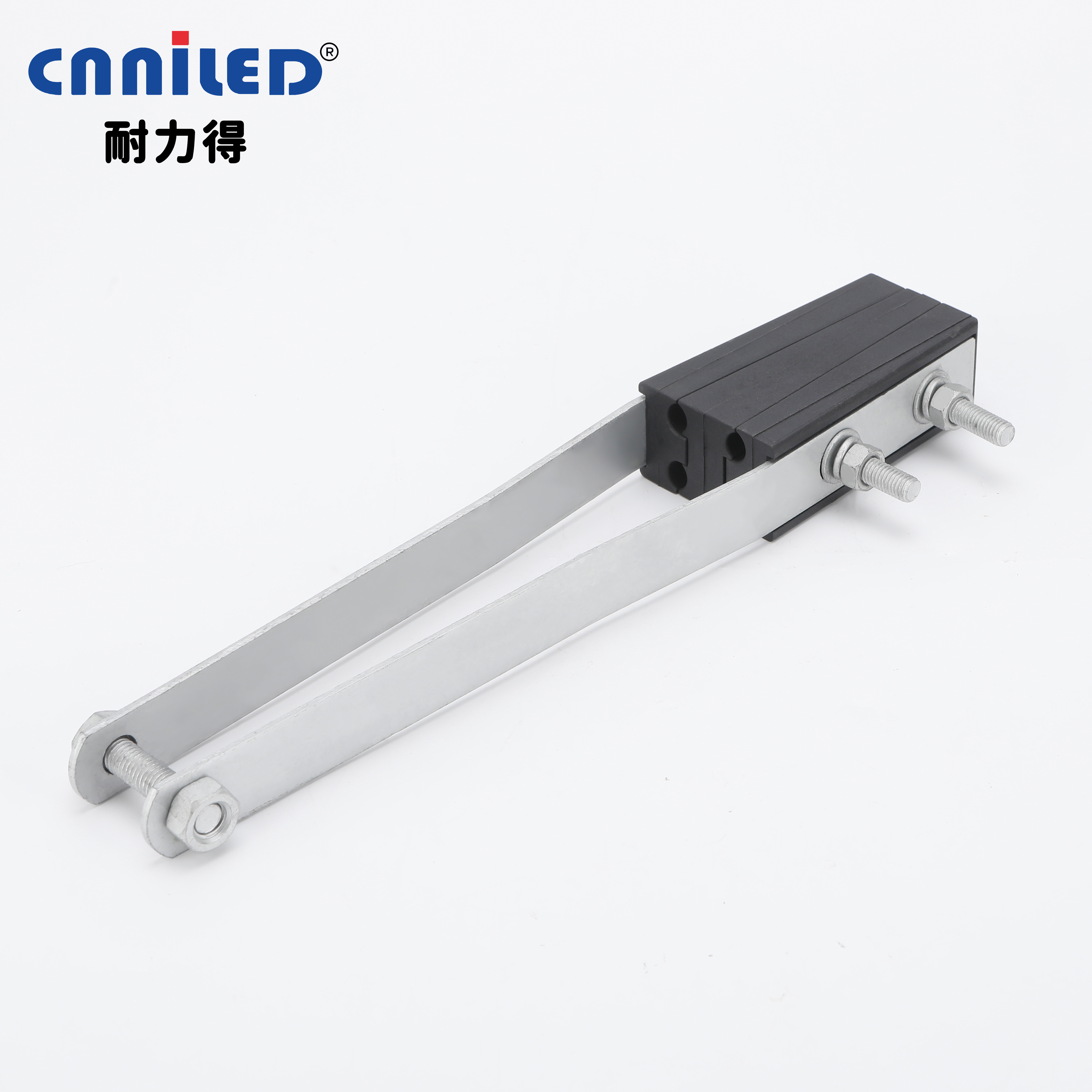
Figure 5. PA2-35 / PA4-35 style wire-loop anchoring clamps.
Product images supplied by CNNILED. Confirm exact model names and specifications against official datasheets before publication.
Choosing by appearance alone: visually similar clamps may have different ratings.
Confusing conductor area with cable diameter: check units on every specification.
Ignoring mechanical loads: a suitable cable size does not guarantee adequate tensile performance.
Overlooking attachment compatibility: brackets and mounting hardware matter.
Skipping technical verification: request drawings, installation instructions, and applicable test records.
For a more accurate recommendation and quotation, provide cable type and construction; conductor cross-sectional area; outside diameter; required mechanical load; installation environment; applicable standards; and estimated quantity.
The right anchoring clamp should match more than cable size. Mechanical strength, cable construction, material durability, installation hardware, and environmental conditions all matter. CNNILED provides a range of anchoring clamp solutions for overhead cable applications and can help buyers review specifications and model options.
Contact CNNILED for specifications, technical information, and wholesale quotations.
 Hot News
2026-11-03
2026-10-13
2026-10-12
2025-08-12
2025-08-06
Copyright © Zhejiang Nailide Power Technology Co.,Ltd. All Rights Reserved - Privacy Policy
 EN