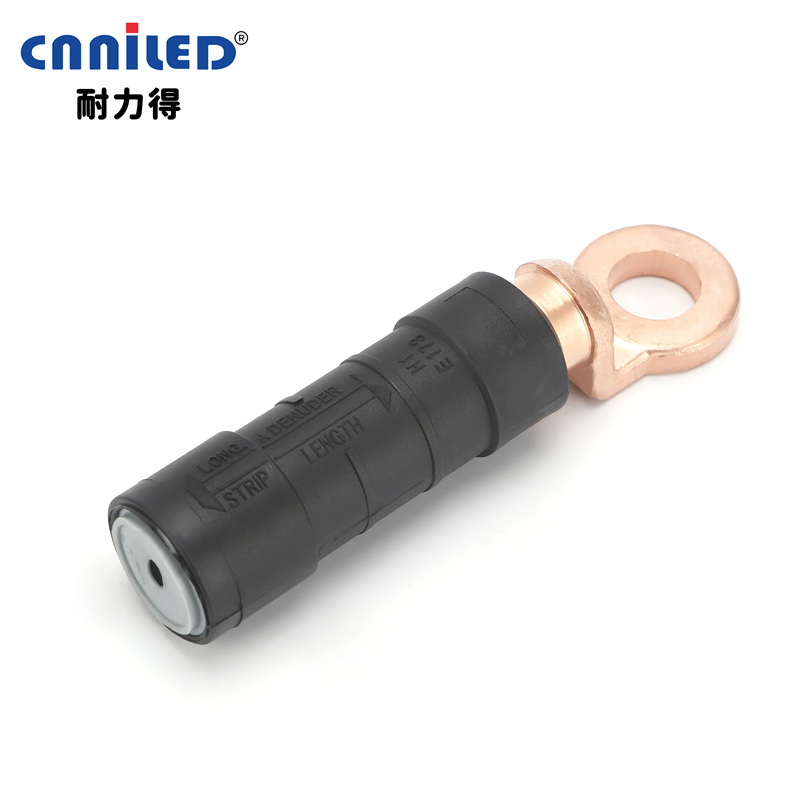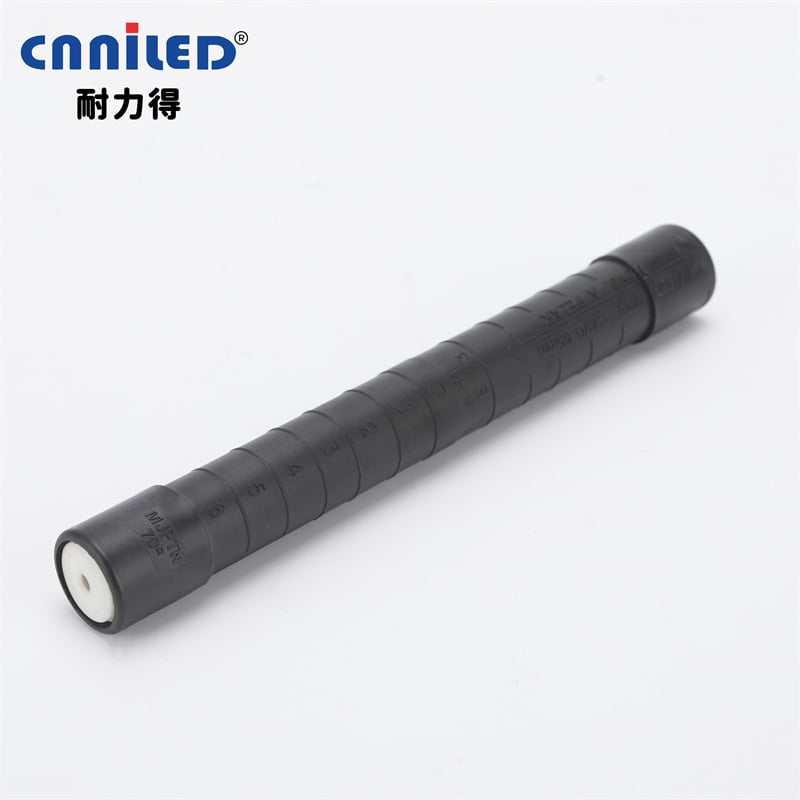
A tension clamp, also called a dead-end clamp or anchor clamp, is used to terminate and mechanically anchor insulated aerial conductors. In low-voltage aerial bundled cable (ABC) systems, the clamp transfers tensile load from the cable to the pole or supporting hardware while maintaining a secure grip on the insulated conductor.
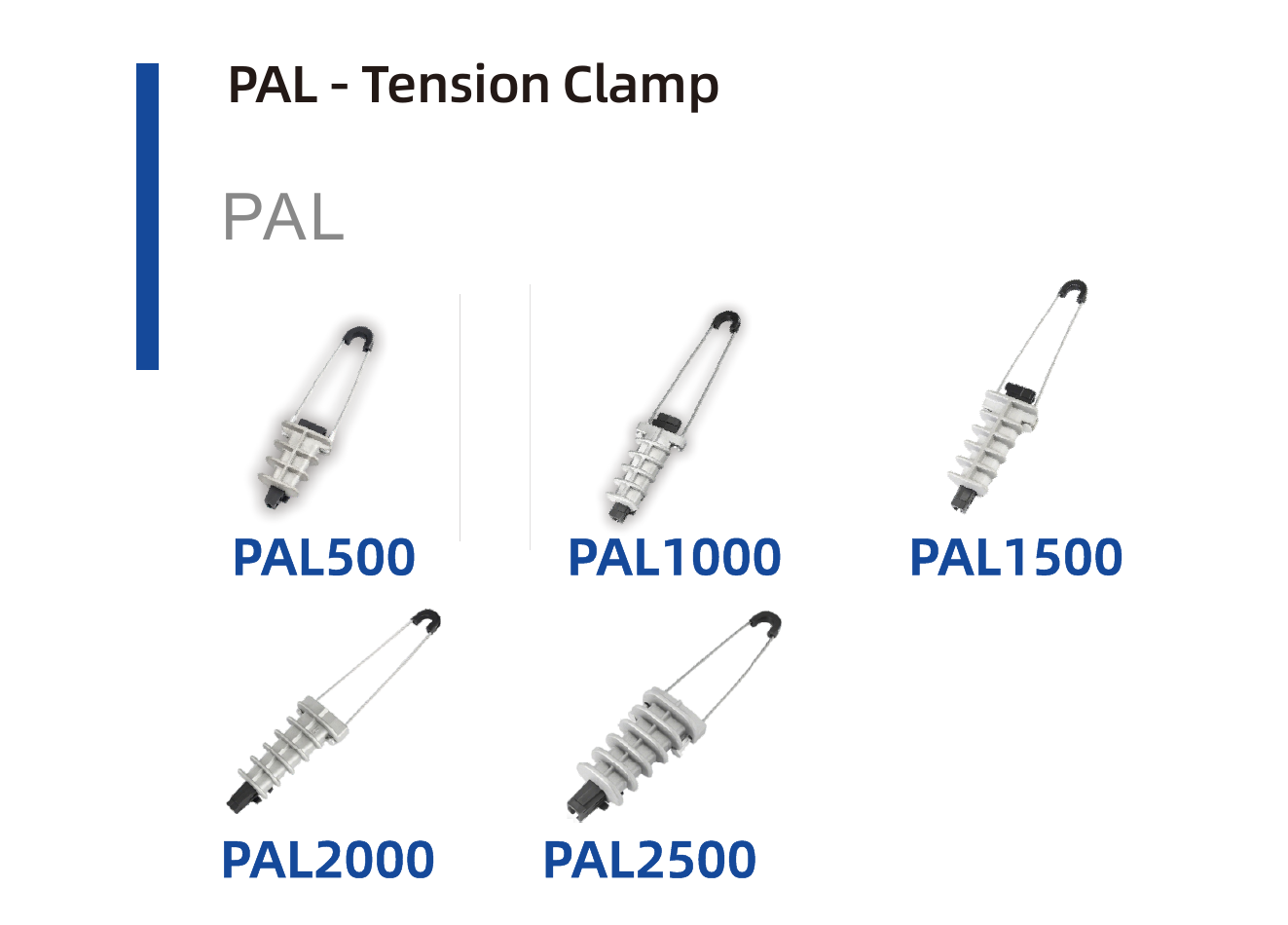
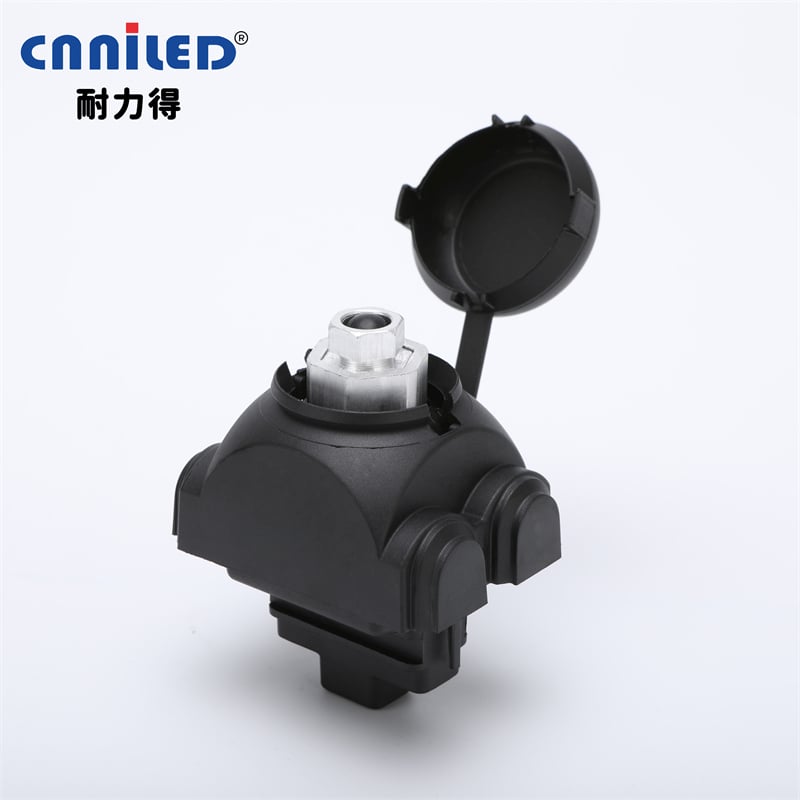
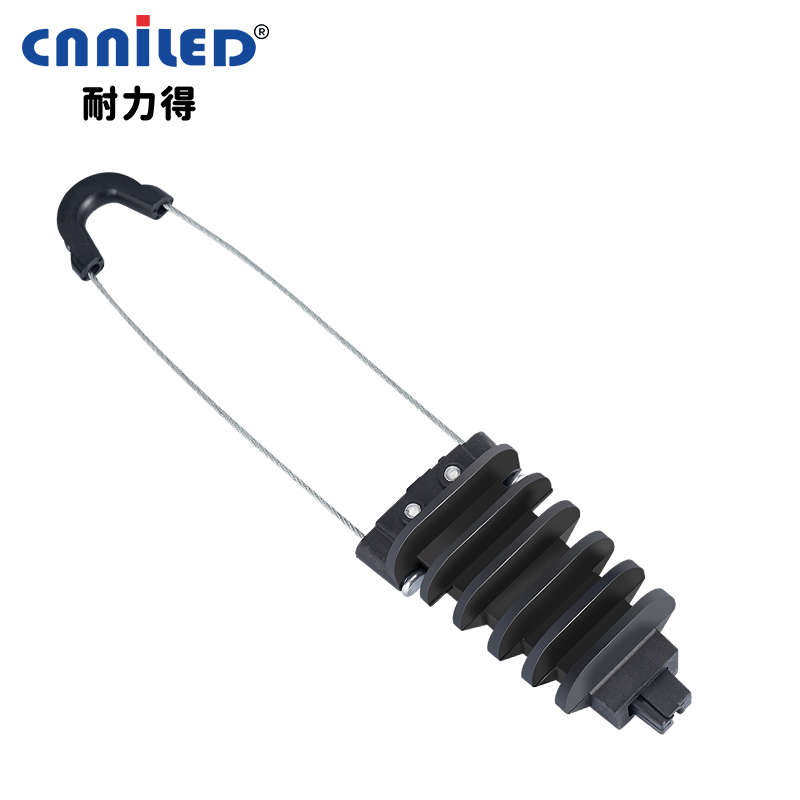
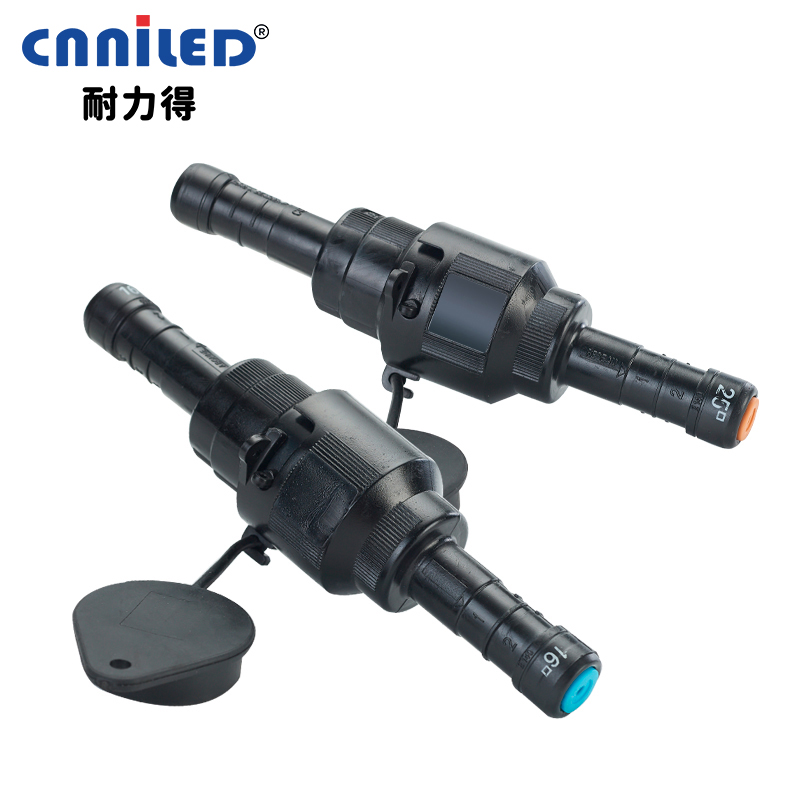
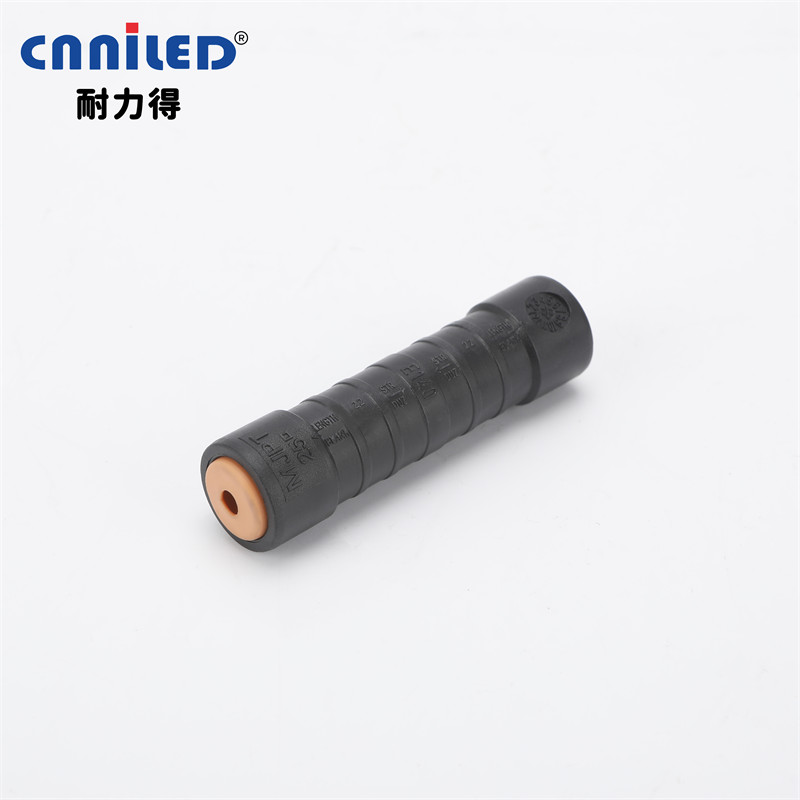
CNNILED PAL Series tension-clamp examples.
Where Tension Clamps Are Used
Tension clamps are installed where an overhead conductor must be mechanically anchored rather than simply supported. Typical applications include:
• Line terminations, where the cable ends at a pole or supporting structure.
• Angle and corner poles, where the conductor changes direction and tensile forces must be controlled.
• Branch or junction points, where a cable section must be securely anchored before continuing to another route.
• Outdoor low-voltage ABC distribution networks exposed to wind, rain and temperature variation.
How a Wedge-Type Tension Clamp Works
A wedge-type tension clamp uses the clamp body, internal gripping components and bail or hook as a mechanical load-transfer system. The insulated conductor is positioned in the gripping channel and the wedge is fully seated. As line tension is applied, the gripping action holds the cable while the bail transfers the tensile load to the pole bracket or anchoring point. The exact construction varies by CNNILED model, so conductor range and mechanical rating should always be confirmed before installation.
General Installation Procedure
Installation details vary by model and project specification. A typical professional installation process includes:
1. Confirm the CNNILED clamp model, conductor range and required mechanical load.
2. De-energize and secure the work area according to the applicable electrical-safety procedure. Inspect the clamp, conductor and pole hardware for visible damage.
3. Attach the clamp bail or hook to the approved pole bracket or anchoring hardware.
4. Position the insulated conductor in the gripping channel and fully engage the wedge or gripping element in the correct orientation.
5. Apply line tension gradually and verify that the conductor remains centered and does not slip.
6. Complete a final inspection and follow the model-specific instructions for any required fasteners, torque values or installation checks.
Examples from the CNNILED Tension-Clamp Range
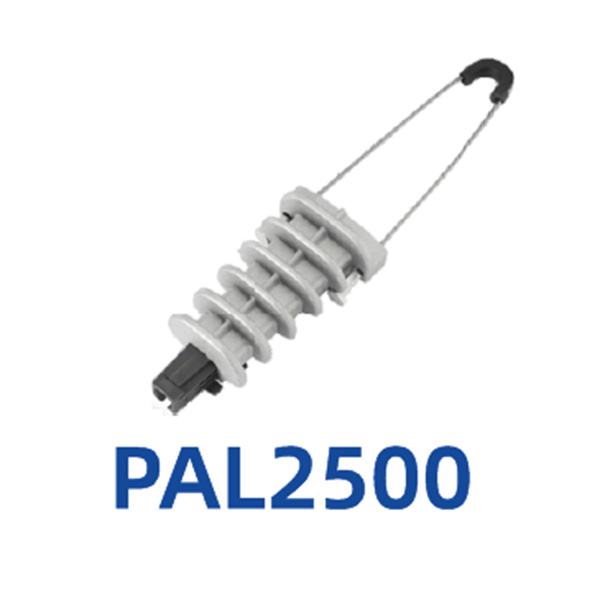
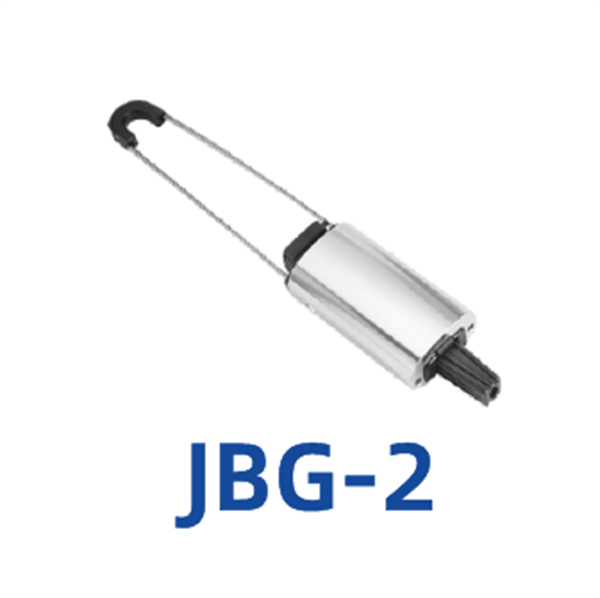
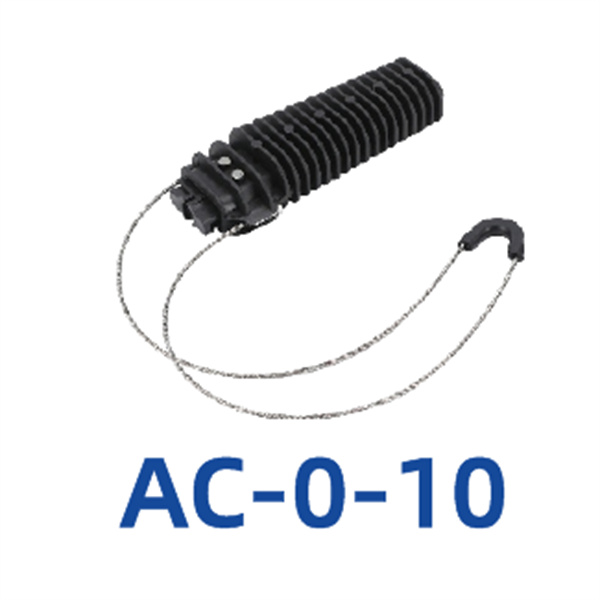
CNNILED provides tension-clamp options for different conductor sizes and mechanical requirements. The examples below show four models currently listed in the CNNILED product range. Final selection should be based on the verified conductor type, clamping range, mechanical load and project specification.
| Model | Wire clamping range* | Pulling force |
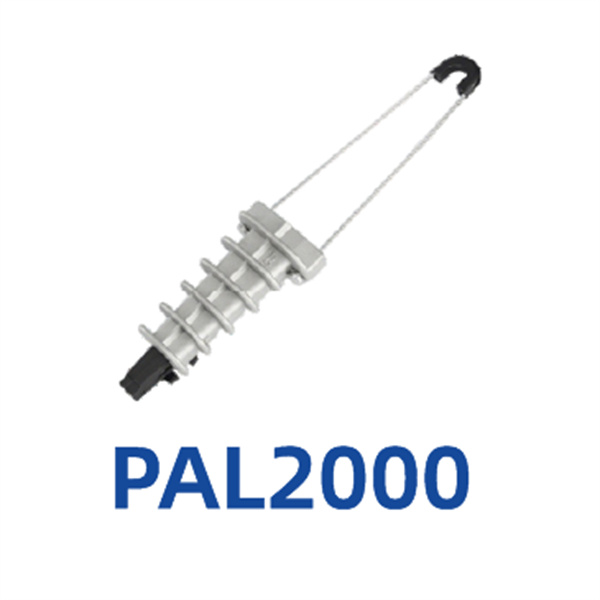
| PAL2000 | 70-95 | 18 kN |
| PAL2500 | 90-150 | 22 kN |
| JBG-2 | 70-95 | 18 kN |
| AC-0-10 | 10-14 | 8 kN |
* Specifications are based on the current CNNILED product pages. Confirm final technical data on the individual product page or datasheet before ordering or installation.
Why Choose CNNILED Tension Clamps?
Model-specific selection data: CNNILED product pages provide conductor ranges and pulling-force ratings, allowing model selection to be based on project requirements rather than appearance alone.
Outdoor-oriented construction: Depending on the model, CNNILED tension clamps use materials such as UV-resistant thermoplastic, stainless-steel components and aluminum-alloy bodies for overhead applications.
Practical anchoring design: Wedge-type and related anchoring designs provide a compact method for securing insulated aerial conductors and transferring mechanical load to supporting hardware.
Wide application coverage: CNNILED offers multiple tension-clamp configurations for different conductor ranges and overhead distribution requirements.
Manufacturing and quality control: CNNILED states that its products are manufactured under an ISO9001 quality-management system and that relevant product lines have CE and RoHS certifications.
Important Installation Note
Installation and maintenance of overhead electrical equipment should be performed by qualified personnel using the approved procedure for the local network. The individual CNNILED product datasheet, project specification and applicable electrical standards take priority over this general guide.
Contact CNNILED
For tension-clamp model selection, specifications, quotations or OEM inquiries, contact CNNILED.
Website: https://www.cnniled.com
 Hot News
2026-10-13
2026-10-12
2025-08-12
2025-08-06
Copyright © Zhejiang Nailide Power Technology Co.,Ltd. All Rights Reserved - Privacy Policy
 EN
EN