 EN
EN

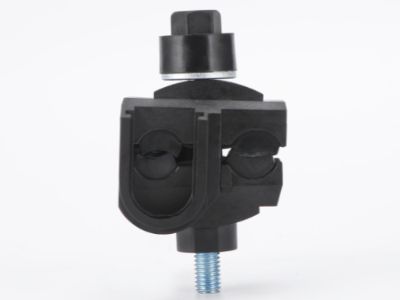
Insulation Piercing Connectors (IPC) are an indispensable product for electricians and electrical professionals when trying to create a reliable connection in electrical installations. Here are some of the ways for the test to verify safety and reliability levels of NailideInsulation Piercing Connector IPC Series.
Read Typical use points on insulation piercing connector subject.
Insulation Piercing Connectors are susceptible to several application-related problems which can potentially compromise their reliability. One issue we frequently find is a bad initial connection which can cause the gear to be disconnected and/or take on electrical faults. An important note is to pay close attention to the manufacturer's instructions, for a secure tight fit. The other is corrosion, which can develop over time from exposure to the environment and environmental factors like humidity and moisture. Frequent checks and service will protect these connectors, preventing corrosion and extending their life span. Furthermore, mismatched connector size and/or type for the application at hand will cause system performance problems, too. Choosing the right connector depending on the size & type of cable is important to prevent compatibility issues.
Why Insulation Piercing Connectors Are Essential For Every Electrician?
Insulation Piercing Connectors have several benefits that you just can’t ignore, as an electrician. One of the primary advantages is that they save time – there’s no need to strip insulation off wires before you can connect them. This is one of the reasons electricians use them so much - they cut installation time and labor sales. They are also easy to use which may be utilized in various methods from residential, commercial or industrial spaces. This flexibility also means that they are a great tool for professionals toiling on different projects. Why use our Insulation Piercing Connectors? Our insulation piercing connectors offer a dependable and safe connection, which enables electrical systems to operate safely and effectively. Due to their toughness and resistance to harsh environmental conditions, they are a reliable solution when you need them the most. On the whole, the convenience, flexibility and dependable operation of Insulation Piercing Connector NTD Series have made them indispensable to electrical line work professionals in every industry.
Testing Methods for Ensuring Reliability
There are several method to test the reliability of insulation piercing connector from Nailide. One popular approach is to physically inspect the connector for any physical damage and defects. This may involve checking for any cracks, dents or evidence of corrosion. Also make sure all pieces are tight and there is nothing loose.
Then another key testing technique is to do a continuity test to find out whether this connector is conducting electricity. You can test for a complete turn from one of the two wires you hooke up and then to and through the meter (as it is an unbroken circuit. If there is no connection, it means that the connector is damaged and should be replaced.
Key Factors to Consider
When verifying the reliability of an insulation piercing connector, a number of important considerations must be made in order to obtain meaningful results. There are a few considerations to be accounted for and one of the most important is that determining the type of environment where the connector will operate. Temperature, humidity and other differentiators), conditions to which the connector will be exposed during its use should also be tested.
A second major consideration is the material and design of the connector. A connector needs to have high quality materials and construction in order for the connector to be reliable. The maximum voltage and current the connector is rated for must also be taken into account to make sure that it will not get damaged while being used under its electrical load.
Tips & Tricks For Insulation Testing
To guarantee correct and trustworthy testing of a Nailide insulation piercing connector there are some hints and tricks that may be useful. A general piece of advice is to obey the manufacturer's recommendations concerning the test of the connector, because they can give detailed information about testing as well.
It's also important to have the appropriate tools when testing the connector--use a multimeter or continuity tester for best results. These tools can assist you in verifying the conductance of the connector, and troubleshooting possible problems.
You may also want to try the connector a few times for multiple test. This Insulation Piercing Connector TTD Series can be helpful in catching any sporadically occurring issues that are not visible during a singular test. Following these advices and tricks, you will have a reliable insulation piercing connector which is ready for using in your electrical construction work.